
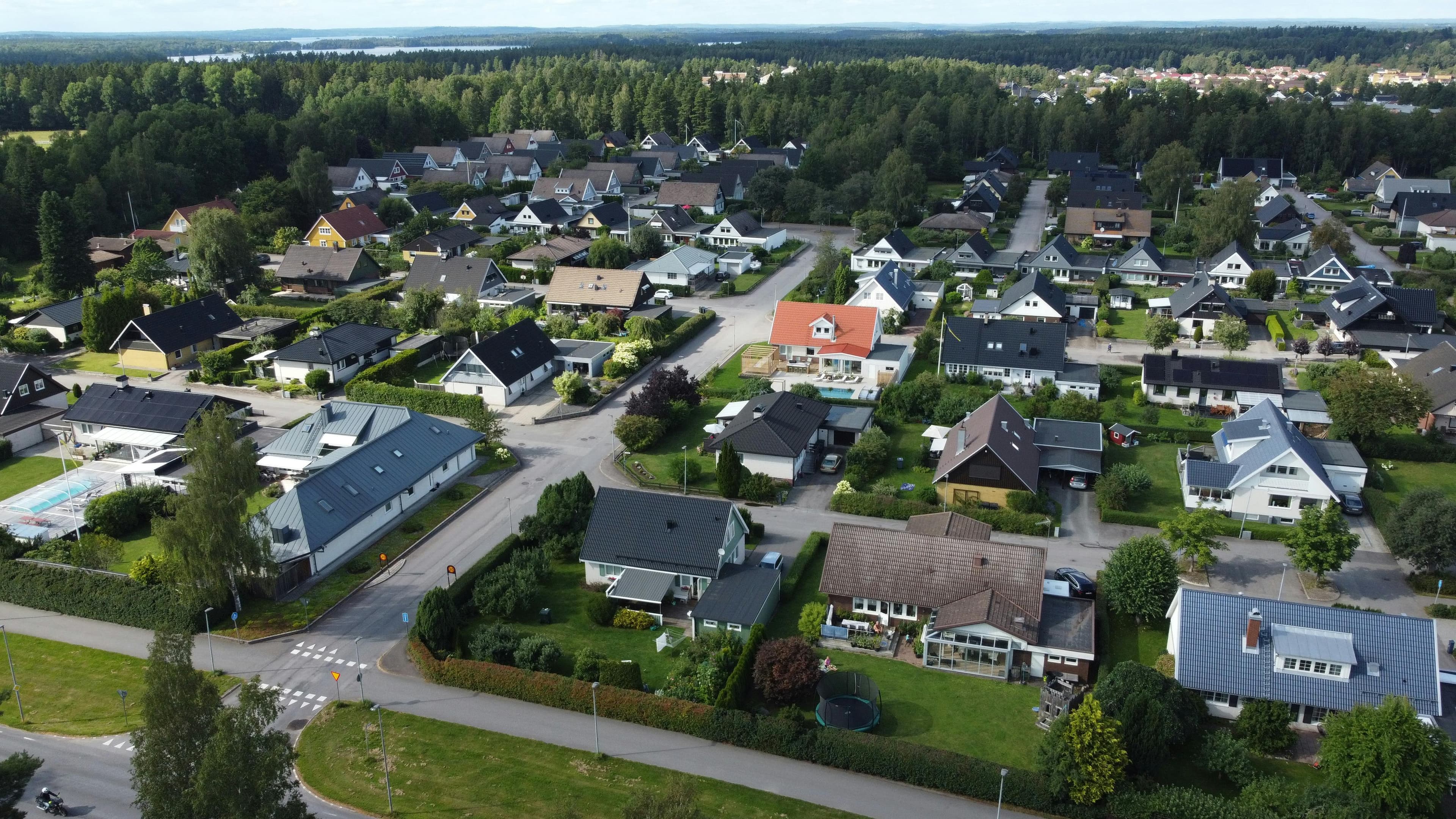
Key Points
- Some properties in CBS, Paradise, and Torbay/Flatrock are on well water and septic — not municipal services. This affects maintenance costs, water quality testing, insurance, and resale appeal.
- The St. John's fog belt is real: the city proper gets significantly more fog and precipitation than inland areas like Paradise and CBS. Coming from a mainland province, it affects daily life more than most buyers anticipate.
- French Immersion in NL is heavily oversubscribed in popular zones — with lottery-based access in some areas and none in others. If it matters to your family, verify the school zone before you choose an address.
Who This Playbook Is For
- Buyers comparing multiple St. John's neighborhoods.
- Families balancing commute, schools, and long-term resale value.
- Anyone unsure how to turn neighborhood préférences into a clear décision.
Neighborhood Selection Framework
Phase 1: Define weighted priorities
Convert subjective préférences into weighted factors. This creates an objective neighborhood scorecard you can trust.
Checklist
- Set top 5 criteria with weights.
- Separate deal-breakers from préférences.
- Define acceptable commute threshold.
Phase 2: Compare inventory and value behavior
Evaluate each neighborhood by listing quality, sold trends, and negotiation behavior, not only listing volume.
Checklist
- Track median days on market by area.
- Review sold-to-list behavior by property type.
- Compare price per square foot ranges.
Phase 3: Live validation and final ranking
Field test shortlisted areas at different times and update your scorecard with real experience.
Checklist
- Visit each area at least twice.
- Check traffic/noise and day-to-day accèss.
- Finalize ranking before offer writing.
Step 1: Write down your non-negotiables
Commute destination, school board preference (NLESD English vs French Immersion zone), property type, lot size, and whether municipal water/sewer is required — these need to be on paper before you compare areas. Buyers who skip this step end up two years in realizing the school zone or drive time was the constraint that mattered most. In the St. John's metro you're typically within 25–40 minutes of downtown from anywhere, but that shifts meaningfully based on the actual route and time of day.
Step 2: Match each area to your criteria
CBS and Paradise: highest resale growth in NL over the past decade, newer builds, large lots, family infrastructure — car-dependent, some Seal Cove/Foxtrap areas on well water. Mount Pearl: fully municipal services throughout, walkable to Topsail Rd commercial strip, strong schools, $350K–$500K for detached. East End/downtown St. John's: character homes, proximity to MUN and the waterfront, oil heat common in pre-1980 stock, higher maintenance. Torbay and Flatrock: ocean views and low density, Portugal Cove Rd commute is real, some areas on well water. Score each against your Step 1 list.
Step 3: Check the market data for each area
Days on market, sold-to-list ratios, and active inventory trends tell you where leverage sits in each specific area — not the city overall. CBS detached and Paradise new construction move faster and closer to asking than downtown condos or East End heritage homes. Felix can pull 90-day area-specific sold data for any neighbourhood you're seriously considering — it shows whether you're walking into a competitive market or one where you have room to negotiate.
Inputs To Gather
- Neighborhood scorecard template with weighted criteria.
- Comparable sold snapshots by area.
- Commute time notes at different times of day.
- School/service accèss checklist.
- Budget range aligned to each area's pricing reality.
Common Neighborhood Decision Mistakes
- Picking based on one listing instead of area fit.
- Ignoring daily commute friction in long-term décisions.
- Comparing areas without normalized criteria.
- Failing to revisit assumptions after live visits.
First 7-Day Action Plan
- Day 1: Build weighted neighborhood scorecard.
- Day 2-3: Populate market data for each area.
- Day 4-5: Conduct in-person area checks.
- Day 6: Re-rank with objective scores.
- Day 7: Align search and offer strategy to top 1-2 areas.
Common Questions
Which St. John's neighbourhood is best for families?
CBS, Paradise, and Mount Pearl have the most family infrastructure: newer schools, larger lots, recreation centres. The often-overlooked differentiator: French Immersion. NL's program is heavily oversubscribed in popular zones — some areas have lottery-based access, others have no program at all. If French Immersion is a priority, verify the exact school zone for your target address before you commit to it.
Established neighbourhood or new development?
Established areas offer mature trees, known community character, larger lots for the price, and no active construction phase. New developments offer modern builds, NL's mandatory Building Standards Act warranty (1/2/7 years), energy efficiency, and lower immediate maintenance. Some resale homes adjacent to new developments offer both at a better per-square-foot price.
How many times should I visit before offering?
Twice minimum — once on a weekday during rush hour, once on a weekend. Fog, traffic, parking, and neighbourhood activity all look different at different times. For out-of-province buyers, Felix does annotated street-level video tours of specific streets before you commit to a shortlist.
Free Guide Series
Get the full St. John's guide series in your inbox.
Offer strategy, seller pricing, relocation, and market briefs — one email, practical frameworks only.
Related Tools
Need a custom strategy for your situation?
Book a focused consultation and get an execution plan tailored to your timeline and risk profile.
Book Consultation